Designing e-commerce stores that actually convert

Design

Introduction
Designing an e-commerce store is not just about appearance — it’s about driving action. A successful store is built around user behavior, trust, and smooth experiences that guide visitors from browsing to buying. High-converting e-commerce design blends clarity, usability, and strategy into one seamless journey.
Why conversion-focused design matters
A visually attractive store that doesn’t convert fails its purpose. Conversion-driven design ensures that every layout, interaction, and decision supports one clear goal: turning visitors into customers. It reduces friction, builds confidence, and creates trust throughout the shopping experience.
How high-converting e-commerce design works
Clear User Journeys:
Simple navigation and structured flows guide users naturally toward purchase.Trust-Driven UI:
Reviews, ratings, policies, and security cues build buying confidence.Conversion-Optimized Layouts:
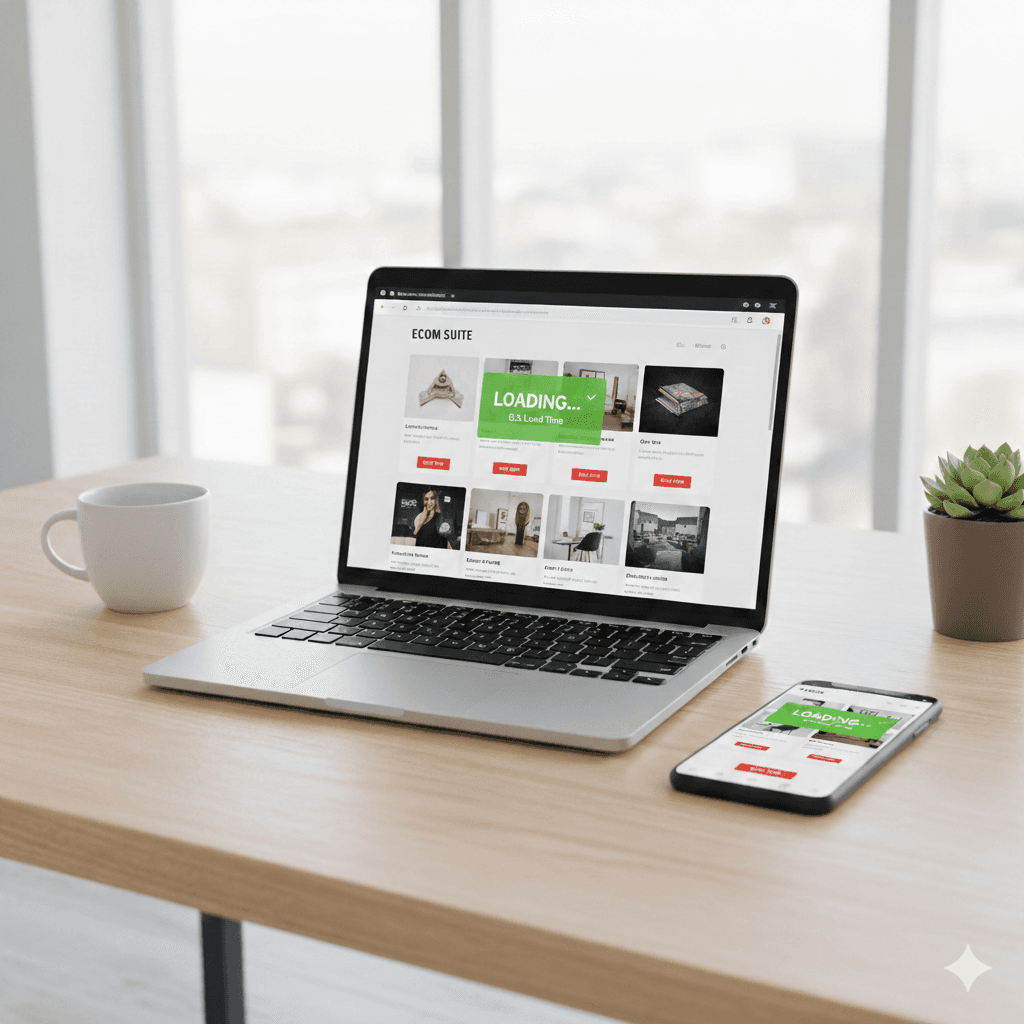
Strategic placement of CTAs, pricing, and offers increases action.Speed & Performance:
Fast-loading pages reduce drop-offs and cart abandonment.Mobile-First Design:
Optimized layouts ensure smooth shopping across all devices.Personalized Experiences:
Relevant recommendations increase engagement and basket value.
Tools that support conversion design
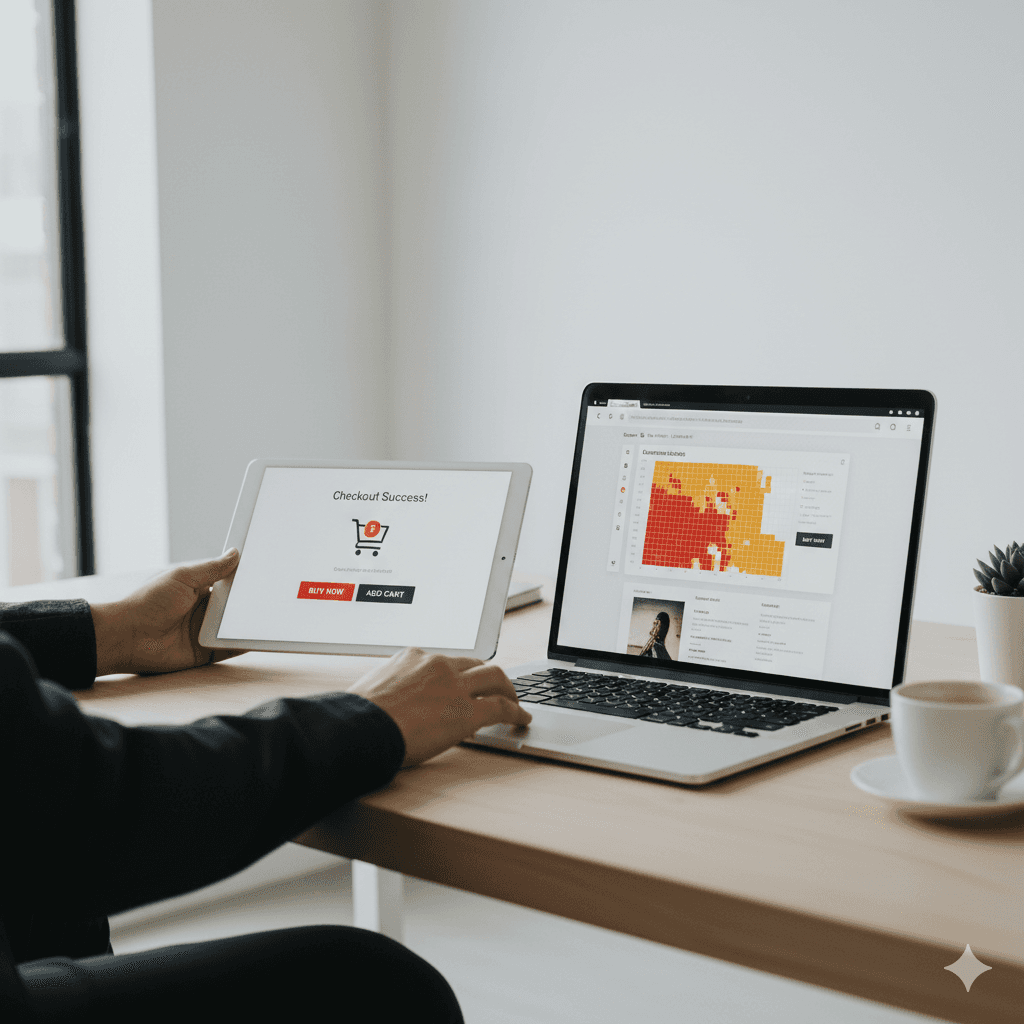
Modern e-commerce tools provide analytics, user behavior tracking, testing systems, and personalization engines that help brands optimize every interaction for better performance and higher conversions.
Conclusion
Designing e-commerce stores that convert is about combining strategy, psychology, and experience design. When brands focus on clarity, trust, and usability, they don’t just attract visitors — they build customers, loyalty, and long-term growth.